
Restoration cleaning for grills is a practical approach to reclaiming performance, safety, and flavor after months of use or exposure to weather. This article presents a comprehensive overview, from fundamentals to step-by-step methods, so you can decide what works best for your setup and budget. Whether you own a gas grill, charcoal grill, or pellet grill, restoration cleaning helps remove stubborn buildup, restore heat distribution, and extend component life without resorting to costly replacement. Through tested approaches and real-world examples, you will gain confidence in achieving professional-like results at home or with local services.
What restoration cleaning actually entails is a blend of inspection, safe degreasing, soot and rust removal, polishing, and protective finishing. The goal is not merely aesthetics but cost efficiency, hygiene, and reliable performance. In this guide, you will learn how to assess your grill’s condition, choose appropriate tools, and plan a workflow that minimizes downtime while maximizing results. This is especially valuable for outdoor kitchens, rental properties, or seasonal use where equipment deserves a longer life. Grill maintenance starts with understanding materials and coatings, which we cover in detail to prevent damage during cleaning.

In the following sections, we break down the restoration process into clear steps, discuss DIY versus professional services, and provide practical checklists for budgeting and scheduling. You will see how cost factors combine with time, tools, and technique to determine the best path forward for your grill. The emphasis is on safety, accuracy, and sustainable results that stand up to future use. Safety considerations, such as ventilation, chemical selection, and heat management, are woven into every stage to help you avoid common pitfalls.
Materials and finishes influence the cleaning approach. Stainless steel, cast iron, enamel-coated surfaces, and porcelain-coated grates each respond differently to cleaners, brushes, and heat. Proper care protects protective coatings and maintains the grill’s appearance. We provide material-specific tips and cautionary notes to prevent surface damage.
Assessment is the first critical step. Before you reach for chemicals, inspect for warped grates, rust pockets, and loose hardware. A quick performance test—check flame consistency, grate temperature, and even heat across the cooking area—helps you quantify the scope of restoration. This baseline guides the subsequent cleaning plan and budget.
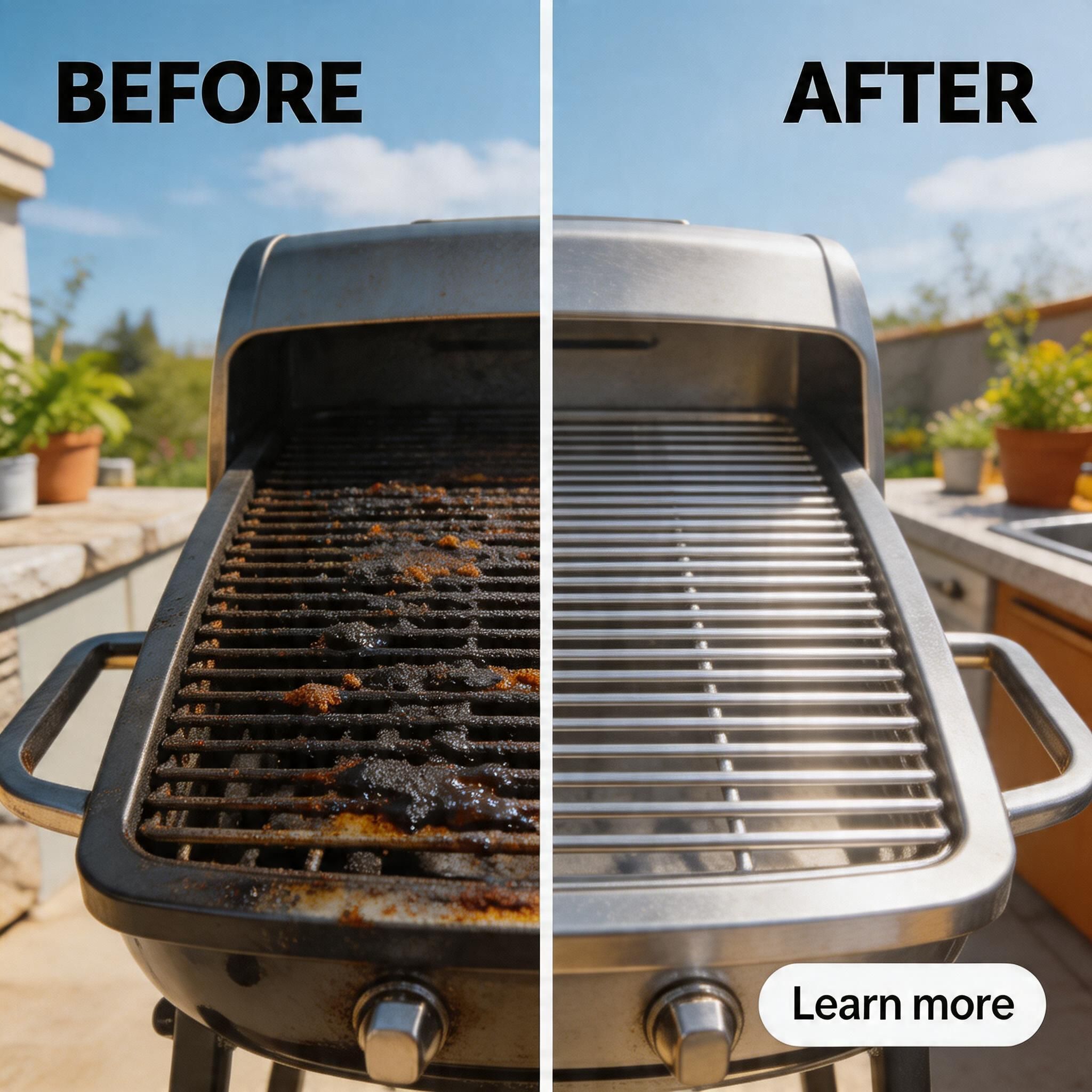
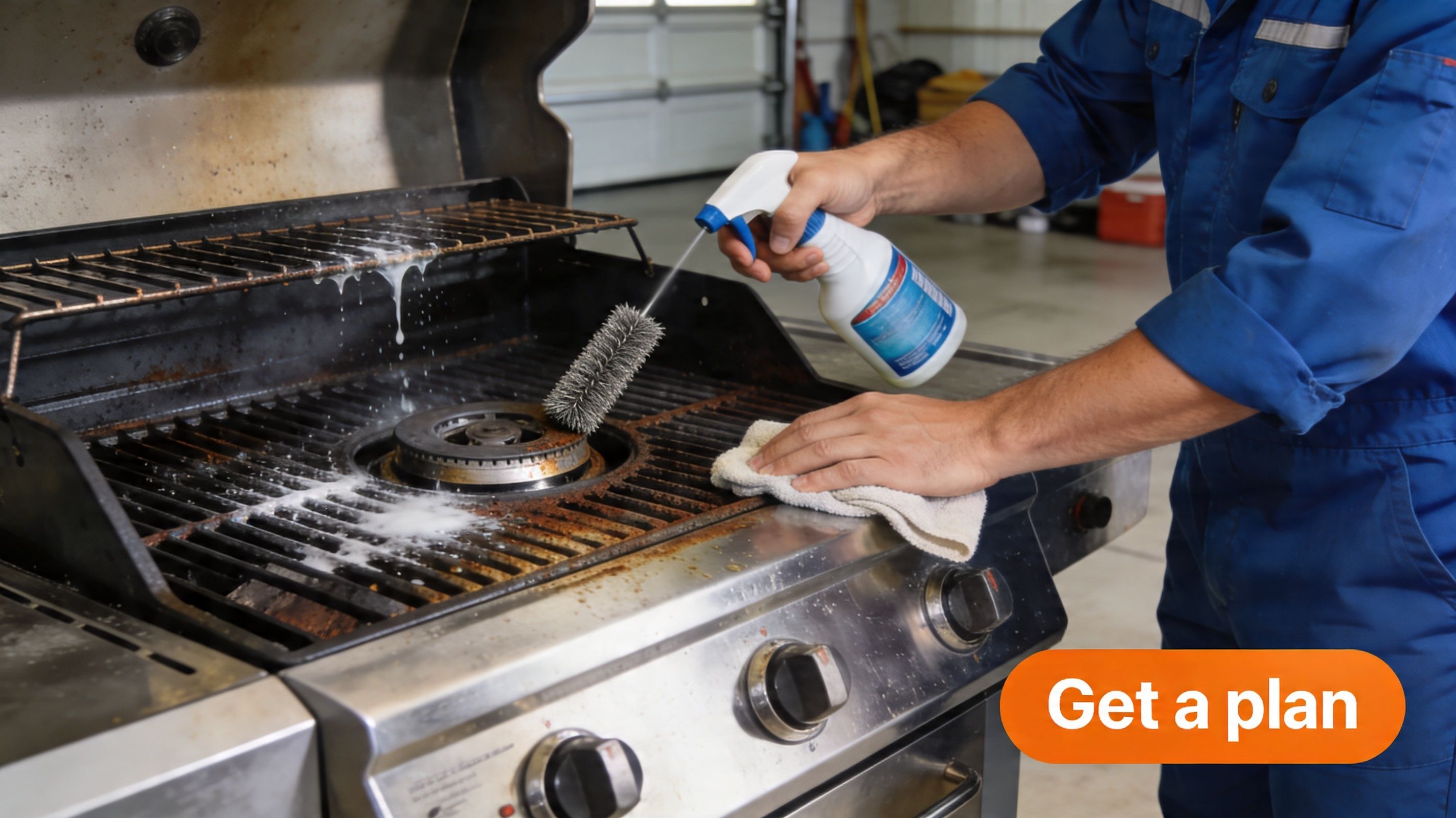
Degreasing is typically the starting point. A combination of soak-time, non-abrasive brushes, and purpose-built degreasers helps lift baked-on fats without scratching surfaces. For tougher buildup, mechanical agitation paired with heat can loosen residue while preserving integrity. Always follow product labels and ventilate the area.
Rust and corrosion management requires careful technique. Light rust can sometimes be removed with rust converters or specialty pastes, but deeper corrosion may indicate worn coatings. In such cases, you may need to reseal or replace affected components to avoid future flare-ups. The decision hinges on material, cost, and the intended cooking environment.
Polishing and protection wrap up the restoration. Polishing brightens metal, while a protective coating or sealant helps resist future stains and moisture. Choose products compatible with your grill’s material and your cooking style. Regular reapplication—aligned with usage frequency—keeps the grill looking good and cooking evenly.
DIY vs professional is a common consideration. DIY cleaning saves money and offers control, but may require more time and the right safety precautions. Professional restoration can deliver faster turnaround and access to specialized tools, but costs vary by location and scope. We outline criteria to help you decide when to invest in a service versus handling it yourself.
Cost factors include labor, materials, and parts. While a basic cleaning can be affordable, extensive restoration or coating replacement increases price. Our guide includes typical ranges, ways to estimate the bill, and strategies to prioritize work that yields the most value.
Maintenance plan matters for long-term results. A simple routine—regular degreasing, timely rust checks, and seasonal resealing—can extend life, reduce future cleaning time, and protect flavor. We provide checklists and schedules to fit different cooking seasons.
Common questions address practical concerns such as how to protect burners during cleaning, whether to remove grates for deep cleaning, and which cleaners are safe for enamel coatings. Clear, evidence-based answers help you avoid mistakes and unnecessary replacements.
Local services often offer quick turnaround times and expertise for specific grill models. When evaluating a local provider, ask about credentials, warranty, and after-service guidance to ensure you get the right support for your grill and your outdoor kitchen.
Conclusion emphasizes that restoration cleaning is a practical investment in safety, flavor, and reliability. With a structured plan, you can achieve professional-grade results, whether you do it yourself or work with a trusted technician.
In closing, remember that restoration cleaning is an ongoing process, not a one-time fix. By following the steps outlined here, you can extend the life of your grill, improve cooking performance, and enjoy more reliable meals for family and friends. This article provides a foundation you can adapt to your specific grill type, climate, and usage patterns. Plan, perform, and protect—your grill will thank you with consistent heat, cleaner flavors, and fewer headaches over time.

