
You hear dripping in the ceiling. A dark stain spreads across the plaster. A tile crashes onto the driveway.
You've searched emergency roofer, roofers near me, and roofers in my area with shaking hands. Here's the truth that most roofing websites won't tell you: not every leak is an emergency – but when it is, calling the wrong person first can cost you thousands in water damage.
This guide isn't a generic "how to choose a roofer" article. Instead, we'll show you the 5 signs you genuinely need an emergency roofer, what to do in the first 30 minutes, how to find a reputable roofer near me without getting scammed, and the 4 questions that separate pros from cowboys.
Part 1: The 5 Signs You Need an Emergency Roofer (Not Just a Handyman)
When you search emergency roofer, you're probably panicking. Here's how to tell if it's a true emergency.
Sign #1: Active leaking into your home
Water dripping from ceilings, light fittings, or walls – especially if it's electrical. Turn off power to affected rooms immediately. This is an emergency.
Sign #2: Visible sagging or bulging ceiling
The plasterboard is holding water. It could collapse at any moment. Clear the room below. This is an emergency.
Sign #3: Large branches or tree limbs on the roof
The weight can cause structural damage. A branch has punctured the roof membrane. Call an emergency roofer immediately.
Sign #4: Missing or broken tiles after a storm
If you see daylight through your roof sheeting or multiple tiles are missing, rain will enter. Emergency call.
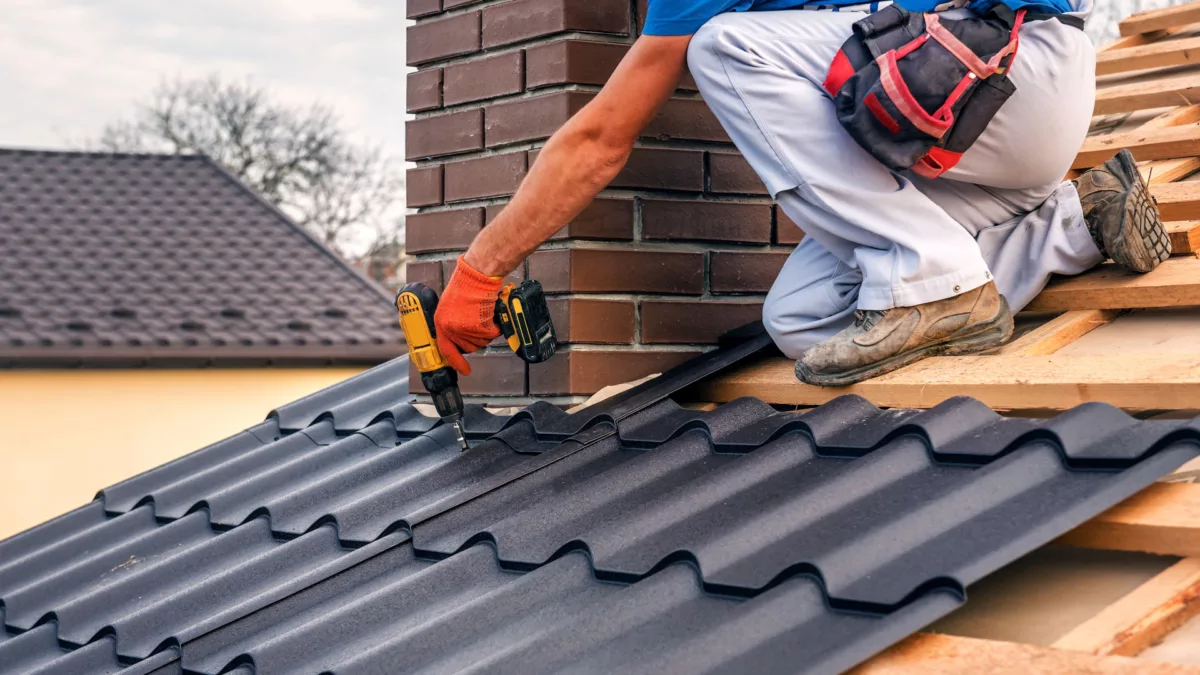
Sign #5: Metal roof seam has lifted
High winds can peel back metal roofing. Once lifted, wind gets underneath and can tear off entire sheets. Emergency.
What is NOT an emergency:
- A single missing tile on a dry day (can wait)
- Minor ceiling stain with no active drip (monitor)
- Gutters full of debris (book a standard roofer)
| Sign | Emergency? | First Action |
|---|---|---|
| Active leak + electrical | Yes | Turn off power |
| Sagging ceiling | Yes | Clear the room |
| Tree limb on roof | Yes | Don't climb up – call roofer |
| Multiple missing tiles + rain forecast | Yes | Temporary tarp |
| Single missing tile, sunny week | No | Book standard roofer |
Part 2: First 30 Minutes – What to Do Before the Roofer Arrives
While you're waiting for an emergency roofer, here's what to do.
Step 1 – Safety first
- Turn off power to affected rooms (circuit breaker)
- Move furniture away from the leak
- Place buckets or tarps under drips
- Keep family and pets away from the area
Step 2 – Stop more water (temporary fix)
- If you can safely access the roof (ground level only – don't climb in a storm), throw a tarp over the damaged area
- Use a garbage bin to catch water from a ceiling leak
- Poke a small hole in a bulging ceiling to let water drain (prevents collapse)
Step 3 – Document everything
- Take photos of the damage (inside and outside)
- Save receipts for tarps, buckets, or emergency supplies
- Note the time the leak started
Step 4 – Call your insurance
Most policies require you to mitigate further damage. Tell them you've called an emergency roofer. Ask about coverage for temporary repairs.
| Action | Why It Matters |
|---|---|
| Turn off power | Prevents electrical fire |
| Move furniture | Avoid water damage to belongings |
| Tarp the roof | Limits additional water entry |
| Document damage | Insurance claim evidence |
| Call insurance | Verify coverage |
Part 3: How to Find an Emergency Roofer Near Me (Fast)
When you search roofers near me in a panic, you'll see dozens of results. Here's how to choose fast without getting scammed.
What to look for in an emergency roofer:
- 24/7 availability (real emergency roofers answer at 2 AM)
- Local physical address (not just a mobile number)
- Public liability insurance (ask for certificate)
- ABN (Australian Business Number) – check it's current
- No upfront payment for call-out (legitimate roofers assess first)
What to avoid:
- "Storm chasers" – out-of-town roofers who appear after bad weather
- "Free inspection" that turns into high-pressure sales
- Requests for large deposits before work starts
- No local references or online presence
Quick verification steps:
- Search their ABN on abr.business.gov.au
- Ask for their insurance certificate – call the insurer to verify
- Google "[company name] reviews" – look for patterns of complaints
- Ask for a local address – drive by or check Google Street View
| Verification Step | Red Flag |
|---|---|
| ABN check | No ABN or recently registered |
| Insurance | "We're insured" but won't show certificate |
| Reviews | Only 5-star reviews, or multiple 1-star for the same issue |
| Local address | P.O. box or residential address |
Part 4: Roofers in My Area – What to Ask Before They Start
Once you've found a roofer in my area, ask these 4 questions before they climb the ladder.
Question 1: "Are you licensed and insured for emergency repairs?"
In Australia, roofers don't always need a specific license, but they must have public liability insurance (minimum $10 million). Ask to see the certificate.
Question 2: "What's your call-out fee?"
Some emergency roofers charge $150-$300 just to show up. Ask upfront. This fee is usually credited toward repairs if you proceed.
Question 3: "Can you provide a written quote for the emergency repair?"
Emergency repairs should be temporary (tarp, patch, seal). Get a separate quote for permanent repair later. Never agree to full replacement during an emergency call.
Question 4: "What's your warranty on emergency repairs?"
A tarp or patch should last until permanent repair. Ask: "If this fails before the permanent repair, will you come back at no charge?"
| Question | Why It Matters |
|---|---|
| Licensed and insured? | Protects you from liability |
| Call-out fee? | No surprise charges |
| Written quote for emergency repair | Prevents price gouging |
| Warranty on emergency fix | Ensures they'll return if it fails |
Part 5: Temporary Fix vs Permanent Repair – What You're Actually Paying For
When you call an emergency roofer, you're paying for a temporary fix – not a permanent solution. Understand the difference.
Emergency (temporary) repair:
- Tarp over damaged area
- Sealant over small crack or lifted seam
- Patch over missing tiles
- Goal: Stop water entering immediately
- Lifespan: Days to weeks
Standard (permanent) repair:
- Replace missing tiles or sheets
- Repair underlying structural damage
- Refix lifted metal seams properly
- Goal: Restore roof to original condition
- Lifespan: Years to decades
The trap: Some emergency roofers charge permanent-repair prices for temporary fixes. Always ask: "Is this a temporary emergency repair or a permanent fix? How long will it last?"
| Repair Type | Goal | Lifespan | Typical Cost |
|---|---|---|---|
| Emergency (temporary) | Stop water immediately | Days to weeks | $300-$1,000 |
| Standard (permanent) | Restore roof | Years to decades | $1,000-$10,000+ |
Part 6: Roof Replacement vs Repair – How to Decide
After the emergency is handled, you'll face a bigger question: repair or replace?
Repair if:
- Roof is under 15 years old
- Damage is isolated (one area)
- No widespread leaks or wear
- Insurance will cover the repair
Replace if:
- Roof is over 20-25 years old
- Multiple leaks in different areas
- Widespread tile or sheet damage
- You plan to stay in the home 5+ years
The 50% rule: If repair costs exceed 50% of replacement cost, replace. Paying $8,000 to repair a 25-year-old roof that will need replacement in 3 years doesn't make sense.
| Roof Age | Damage Type | Recommended Action |
|---|---|---|
| Under 15 years | Isolated | Repair |
| 15-20 years | Moderate | Repair (if no other issues) |
| 20-25 years | Widespread | Consider replacement |
| 25+ years | Any | Replace |
Part 7: Insurance and Emergency Roof Repairs – What You Need to Know
Your home insurance may cover emergency roof repairs – but there are rules.
What's typically covered:
- Storm or wind damage
- Falling trees or branches
- Hail damage
- Emergency tarping and temporary repairs
What's typically NOT covered:
- Wear and tear (old age, lack of maintenance)
- Gradual water damage (leaks that have been ignored)
- Pre-existing conditions
Steps to claim:
- Take photos before any repairs
- Call your insurer before authorizing major work
- Keep all receipts (tarps, call-out fees, temporary repairs)
- Ask the roofer for a detailed report for the insurer
Pro tip: Don't authorise a full replacement before your insurer inspects. They may want to send their own assessor.
| Insurance Step | Why It Matters |
|---|---|
| Photos before repairs | Evidence of cause |
| Call insurer first | Verify coverage |
| Keep receipts | Reimbursement |
| Roofer's report | Supports your claim |
Part 8: Roofers Near Me – Red Flags That Should Make You Walk Away
Red Flag #1: "We have materials left over from a nearby job"
Classic scam. Legitimate roofers don't carry leftover materials in their truck waiting for your emergency.
Red Flag #2: "Sign today for a discount"
Pressure tactics are a hallmark of scammers. Real emergency roofers give you time to decide.
Red Flag #3: "Cash only"
No receipt, no warranty, no insurance, no recourse. Walk away.
Red Flag #4: "We'll deal with your insurance"
Legitimate roofers help with documentation – but never sign an "assignment of benefits" that lets them collect directly from your insurer.
Red Flag #5: Out-of-state license or no local address
Storm chasers appear after bad weather, do poor work, and disappear. Local roofers with local reputations are safer.
| Red Flag | Why It's Dangerous |
|---|---|
| "Leftover materials" | Classic scam |
| "Sign today" | Pressure tactic |
| "Cash only" | No warranty, no recourse |
| "We'll handle your insurance" | May overcharge your insurer |
| Out-of-state license | Storm chaser |
Part 9: Frequently Asked Questions About Emergency Roofers
How much does an emergency roofer cost in Australia?
Call-out fee: $150-$300. Emergency temporary repair: $300-$1,000. Permanent repair: $1,000-$10,000+.
Does insurance cover emergency roof repairs?
Yes, for storm, wind, hail, or falling tree damage. No, for wear and tear or lack of maintenance.
Can I climb on my roof during a storm?
No. Never. Call a professional. Roofs are slippery, and storms bring wind and lightning.
What if I can't afford an emergency roofer?
Contact your insurance company first – they may cover it. Some local councils offer emergency repair assistance for low-income homeowners.
How do I find a reputable roofer in my area after hours?
Search "24-hour roofer [your city]." Call 2-3 companies. Ask the 4 questions from Part 4. Don't accept the first one.
What's the difference between a roof repair and a roof replacement?
Repair fixes isolated damage. Replacement removes and installs a new roof. Replace if your roof is over 20-25 years old or damage is widespread.
Part 10: Your Action Plan – Handling a Roof Emergency
Step 1 – Assess (5 minutes)
Is it a true emergency? Use the 5 signs from Part 1. If yes, proceed.
Step 2 – Safety first (10 minutes)
Turn off power to affected rooms. Move furniture. Place buckets.
Step 3 – Document (5 minutes)
Take photos. Save receipts. Note the time.
Step 4 – Call insurance (15 minutes)
Verify coverage. Ask about temporary repair reimbursement.
Step 5 – Find an emergency roofer (30 minutes)
Search emergency roofer near me. Call 3 companies. Ask the 4 questions.
Step 6 – Get a temporary fix (same day)
Authorize only temporary repair (tarp, patch, seal). Get a written quote. Pay with traceable method.
Step 7 – Schedule permanent repair (next day)
Once the emergency is handled, get 2-3 quotes for permanent repair or replacement. Don't rush this decision.
Key documents to save:
- Photos of damage
- Insurance claim number
- Roofer's invoice and warranty
- Receipts for emergency supplies

