
Treatment Options for Anxiety and Depression: 7 Approaches to Discuss With Your Doctor (2026 Update)
You've been searching for treatment options for anxiety and depression. You've tried medications that made you feel numb. You've considered inpatient treatment for depression but aren't sure if you're "sick enough." You've looked at residential treatment for depression and wondered if that's only for people with substance use issues. And you may be looking for clinical depression help that fits your situation without spending months on a waiting list.
Depression treatment includes several approaches, and the appropriate option can depend on symptom severity, medical history, previous treatment, access, and personal circumstances. In late 2025 and 2026, the FDA approved or authorized new information relating to at-home neuromodulation devices for depression, while research continues into accelerated TMS protocols and lifestyle interventions.
This guide isn't a generic "exercise and eat well" article. Instead, we'll walk you through a range of clinical depression help options available in 2026 – from newer neuromodulation technologies to traditional treatments – so you can discuss potential options with a qualified healthcare professional.
Part 1: The Treatment Gap – Why Some People Don't Get the Help They Need
Depression is common, but access to appropriate treatment can vary considerably. Barriers may include cost, availability of clinicians, insurance coverage, transportation, and long waitlists.
Common treatment considerations:
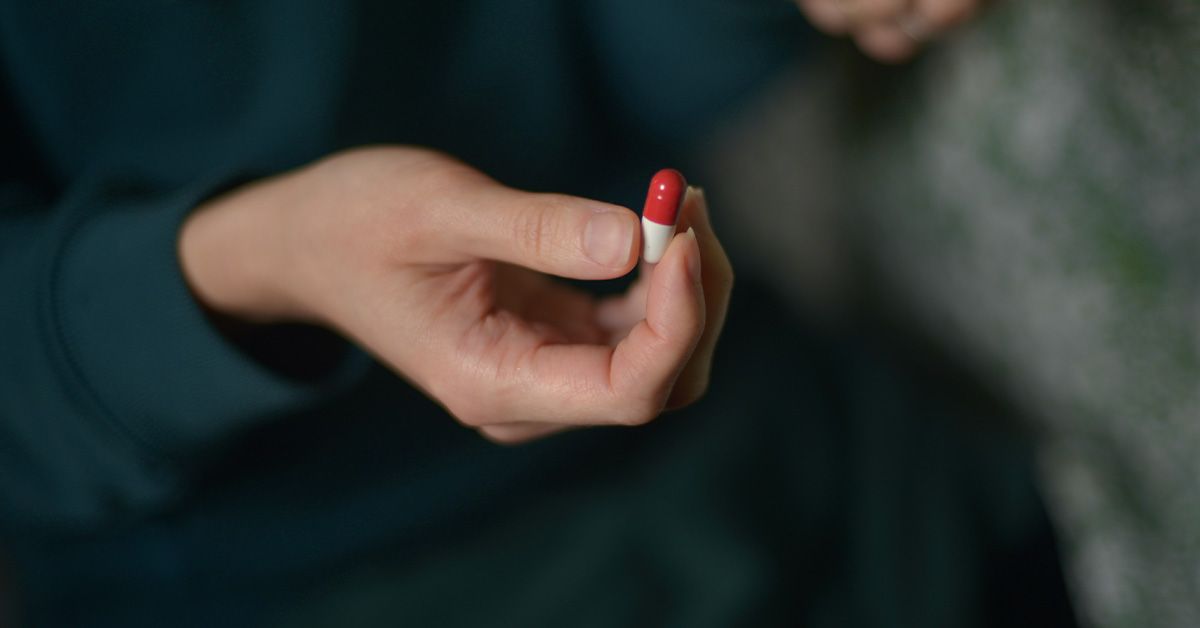
- Antidepressant response varies substantially from person to person.
- Therapy availability and wait times vary by location and provider.
- Traditional TMS generally involves repeated clinic visits over several weeks.
- ECT is an established treatment that requires specialized medical facilities and anesthesia.
Research has found that lifestyle interventions such as physical activity, dietary changes, and sleep-related interventions can be associated with improvements in depression symptoms. However, lifestyle changes should not automatically be treated as a substitute for professional care, particularly when symptoms are severe or safety is a concern.
The appropriate treatment plan depends on the individual. Here's an overview of several options that may be discussed in 2026.
Part 2: FDA-Approved At-Home Devices
At-home prescription neuromodulation devices are a newer option in depression care. Their availability, indication, prescription requirements, and insurance coverage can vary.
Flow FL-100
- What it is: A transcranial direct current stimulation (tDCS) device.
- How it works: Delivers a low electrical current through scalp electrodes to influence brain activity.
- Who it's for: The FDA indication covers adults with moderate-to-severe major depressive disorder who are not considered treatment refractory to medication.
- Evidence: Clinical-trial results have reported differences between active treatment and sham stimulation, but individual results can vary.
- Cost: A prescription is required, and insurance coverage may vary.
Proliv™Rx
- What it is: A prescription neuromodulation device using combined occipital and trigeminal afferent stimulation.
- How it works: Uses electrical stimulation intended to affect neural pathways associated with depression.
- Who it's for: The FDA indication covers adults with major depressive disorder who did not achieve satisfactory improvement from at least one previous antidepressant medication.
- Evidence: Clinical-trial results have reported differences between active treatment and sham stimulation, but these results do not guarantee a particular outcome for an individual.
FDA records show that Flow FL-100 received its original PMA decision in December 2025, while the Proliv™Rx System received its PMA decision on December 31, 2025. Both are prescription devices, and their specific labeling should be reviewed with a qualified healthcare professional before use.
Part 3: Accelerated TMS – A Different Treatment Schedule
Traditional Transcranial Magnetic Stimulation (TMS) involves repeated clinic visits over several weeks. Researchers and device manufacturers are also studying accelerated protocols designed to deliver treatment over a shorter period.
Accelerated TMS protocols may involve multiple treatment sessions in a day or a compressed treatment schedule. Research results vary by protocol, patient population, study design, and clinical setting.
When considering accelerated TMS, ask a clinician about:
- The specific protocol being offered.
- Whether the protocol is appropriate for your diagnosis and treatment history.
- The evidence supporting that particular protocol.
- The number and frequency of treatment sessions.
- Potential side effects and contraindications.
- Insurance coverage and total treatment cost.
Rather than assuming that an accelerated protocol will produce results faster or better than conventional TMS, discuss the evidence for the specific treatment being offered.
Part 4: Inpatient Treatment for Depression – When Might It Be Appropriate?
Searching for inpatient treatment for depression often comes with fear and uncertainty. Inpatient psychiatric care is generally considered when symptoms or safety concerns require a structured level of care that cannot be provided safely on an outpatient basis.
Situations that may require urgent evaluation include:
- Active suicidal thoughts, particularly when there is a plan or intent.
- Inability to take care of basic needs.
- Severe psychiatric symptoms requiring close monitoring.
- A significant safety concern involving yourself or another person.
- A need for intensive medication or psychiatric stabilization.
Inpatient psychiatric units typically provide structured care from a multidisciplinary team. Treatment may include medication management, individual or group therapy, safety planning, and arrangements for follow-up care.
Admission procedures vary by facility and jurisdiction. If you believe you or someone else is in immediate danger, contact local emergency services or go to the nearest emergency department.
What inpatient treatment is not necessarily:
- A long-term replacement for outpatient care.
- A treatment limited to people with substance use disorders.
- A guarantee of a particular recovery timeline.
Part 5: Residential Treatment for Depression – What Are the Options?
When people search for residential treatment for depression, they may be referring to several different levels of behavioral healthcare. These should not automatically be treated as interchangeable with acute inpatient hospitalization.
Inpatient hospitalization
- Provided in a hospital setting.
- Focuses on safety, stabilization, assessment, and treatment.
- May be appropriate when symptoms or safety concerns require intensive monitoring.
Residential treatment
- Provides structured treatment while the patient lives at the treatment facility.
- May include intensive therapy, skills training, and medication management.
- Suitability depends on clinical needs and the facility's admission criteria.
Partial Hospitalization Programs (PHP)
- Provide intensive treatment during the day while the patient generally returns home at night.
- Schedules vary by program.
- May be used when a person needs more support than routine outpatient care provides.
Intensive Outpatient Programs (IOP)
- Provide several treatment sessions per week while the patient generally lives at home.
- Schedules and treatment intensity vary by program.
- May be used as an alternative to or transition from a higher level of care.
Part 6: Clinical Depression Help – Evidence-Based Psychotherapy Options
Clinical depression help isn't limited to medication. Evidence-based psychotherapies are important treatment options for many people.
Cognitive Behavioral Therapy (CBT)
CBT focuses on identifying and changing unhelpful thought patterns and behaviors. It is one of the most extensively researched forms of psychotherapy for depression and anxiety.
Where to find lower-cost CBT
- Some regions provide publicly funded or low-cost psychotherapy programs.
- Community mental health centers may offer sliding-scale fees.
- University training clinics may provide therapy from supervised graduate clinicians at reduced rates.
Brief psychological treatments
Research has examined brief psychological interventions delivered in a small number of sessions. Some studies have found symptom improvements, but the appropriate number and type of sessions depend on the condition, severity, treatment approach, and individual circumstances.
Online support groups
Online mental health support groups can provide peer support and information when in-person resources are difficult to access. They should not be treated as a substitute for professional evaluation when symptoms are severe or safety is a concern.
Part 7: Lifestyle Interventions – What Research Suggests
Research has examined lifestyle interventions including physical activity, dietary patterns, and sleep-related interventions for depression, anxiety, and stress.
Studies generally suggest that these interventions can be associated with improvements in symptoms, although effect sizes vary and lifestyle changes do not work the same way for everyone.
What this means:
Lifestyle interventions may be useful components of a broader treatment plan. For moderate-to-severe depression, they should not automatically be presented as replacements for professional assessment, psychotherapy, medication, or other clinically indicated treatments.
Examples of lifestyle approaches to discuss with a healthcare professional:
- Physical activity: Regular activity may support mood and overall health.
- Diet: A balanced dietary pattern may contribute to overall physical and mental health.
- Sleep: Maintaining a consistent sleep schedule can support healthy sleep habits.
Part 8: Medication Options – What to Discuss With Your Doctor
While this guide includes non-medication approaches, antidepressant medications remain an important treatment option for some people.
Common antidepressant options
- Fluoxetine (Prozac)
- Sertraline (Zoloft)
- Escitalopram (Lexapro)
Antidepressants do not work equally well for everyone, and the time required to notice an effect can vary. Medication choice depends on factors such as symptoms, medical history, other medications, side effects, and previous treatment response.
What if the first medication doesn't help?
If an initial medication does not provide enough benefit, a clinician may consider adjusting the dose, changing medications, adding another treatment, or exploring psychotherapy and other options. Treatment-resistant depression generally refers to depression that has not responded adequately to one or more appropriate treatment attempts, with definitions varying across clinical settings.
Combination treatment
For some people with moderate-to-severe depression, combining psychotherapy and medication may provide greater benefit than either approach alone. A healthcare professional can help determine whether combined treatment is appropriate.
Part 9: Frequently Asked Questions About Depression Treatment
What is the best treatment for anxiety and depression?
There is no single treatment that is appropriate or effective for everyone. Options may include psychotherapy, medication, lifestyle interventions, neuromodulation, or combinations of these approaches. The appropriate plan depends on the person's symptoms, diagnosis, treatment history, medical circumstances, and preferences.
How do I know if I need inpatient treatment for depression?
If you have active suicidal thoughts with a plan or intent, cannot care for basic needs, or believe you may seriously harm yourself or someone else, seek urgent professional help through local emergency services or the nearest emergency department.
Are residential programs for depression only for people with addiction?
No. Some residential mental health programs are designed for primary psychiatric conditions, including depression, without requiring a substance use disorder. Admission criteria vary by program.
How can I get clinical depression help if I have no insurance?
- Look for community mental health centers that offer reduced or sliding-scale fees.
- Ask local clinics about publicly funded mental health services.
- Check university training clinics for lower-cost services.
- Look for community or peer-support programs.
- Contact established mental health organizations for information about local resources.
Do at-home depression devices work?
Some prescription neuromodulation devices have received FDA authorization for specific depression indications. Clinical studies provide evidence about their potential benefits and limitations, but study results do not guarantee that an individual will experience the same outcome. Long-term evidence and real-world experience may continue to develop for newer technologies.
Can lifestyle changes alone cure depression?
Lifestyle changes can be useful for mental and physical health and may contribute to symptom improvement. They should not be presented as a guaranteed cure. People with persistent, moderate, or severe symptoms should discuss treatment options with a qualified healthcare professional.
Part 10: Your Action Plan – Getting Appropriate Help
Step 1 – Assess your situation
- If you are in immediate danger or believe you may seriously harm yourself or someone else, contact local emergency services or go to the nearest emergency department.
- If symptoms are severe but not an immediate emergency, contact a doctor or qualified mental health professional.
- If symptoms are mild to moderate, arrange a professional assessment and discuss appropriate treatment options.
Step 2 – Start with professional assessment
- Schedule an appointment with a primary care doctor or mental health professional.
- Ask about psychotherapy and medication options where appropriate.
- Discuss practical lifestyle changes that may complement your treatment plan.
Step 3 – Explore treatment options
- Research qualified therapists in your area.
- Ask providers about fees, insurance, and sliding-scale options.
- Consider online therapy when it is clinically appropriate and legally available in your location.
Step 4 – Ask about additional treatments when appropriate
- Ask your doctor whether TMS may be appropriate for your situation.
- Ask about prescription neuromodulation devices and whether you meet the relevant indication.
- Discuss PHP or IOP programs if routine outpatient treatment does not provide enough support.
Step 5 – Build your support system
- Consider an established peer-support group.
- Tell trusted friends or family members what kind of support you need.
- Create a personal crisis plan that identifies who to contact and where to seek urgent help.
Important: This article is for general educational purposes and is not a diagnosis or individualized medical advice. Treatment decisions should be made with a qualified healthcare professional. If you are experiencing an immediate mental health emergency or believe you may be at risk of harming yourself or someone else, contact your local emergency services or seek urgent medical care.

