
If you've been pricking your finger multiple times a day while managing diabetes, you may be eligible for a continuous glucose monitor (CGM) that eliminates most of those sticks. The catch is knowing which device fits your situation and whether your insurance—or Medicare—will cover it. Here is what the latest 2026 data and coverage rules actually say.
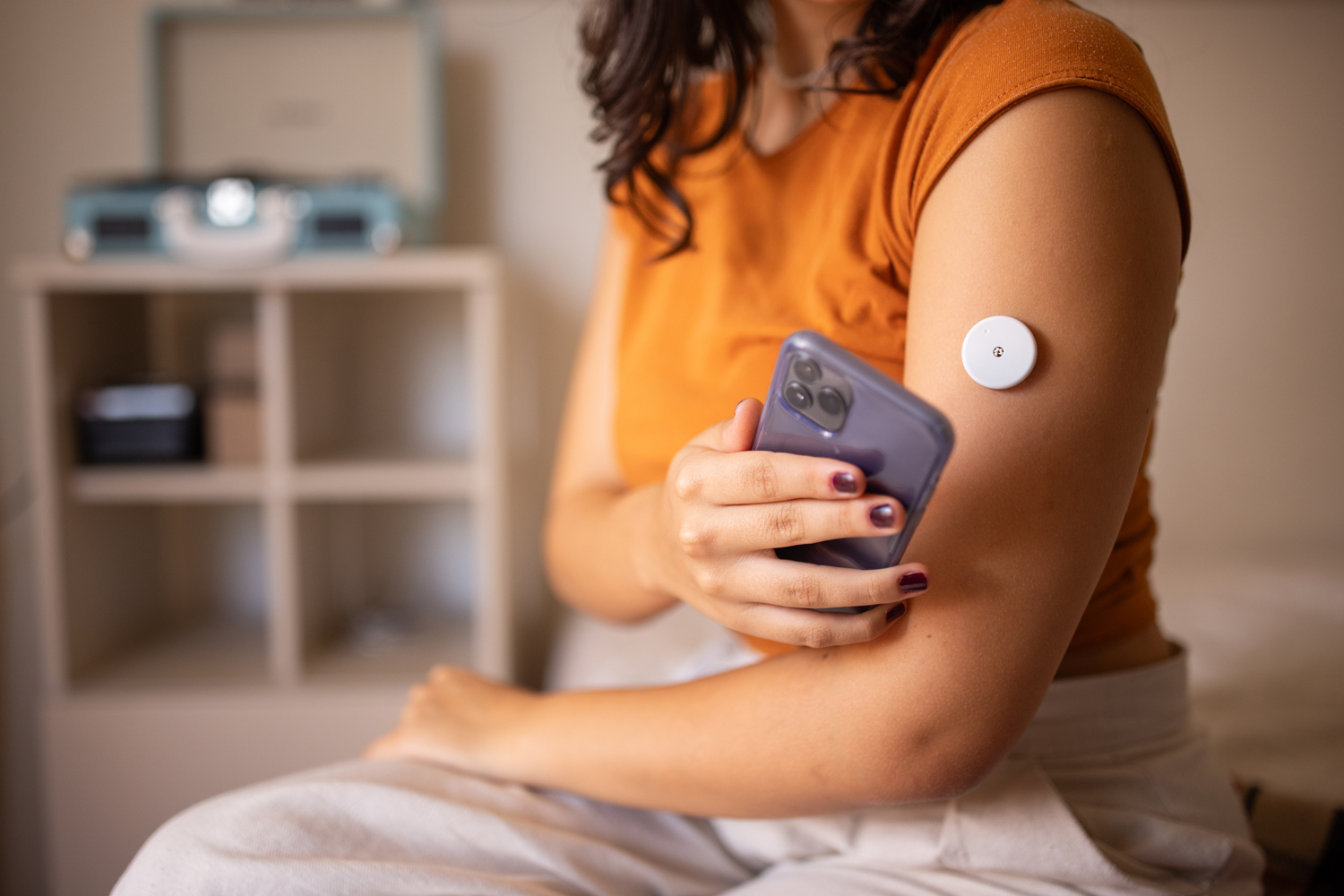
A CGM is a small wearable sensor that measures glucose in the fluid under your skin and sends readings to your phone or a receiver. The technology has improved significantly, and recent studies show benefits extending beyond insulin users. But coverage is not automatic, and out-of-pocket costs vary widely. This guide breaks down the evidence, the Medicare rules, and the practical questions to ask before you commit.
What CGMs Actually Do (And Who They Help)
A CGM provides glucose readings every few minutes, day and night, without fingersticks. Real-time CGMs push data automatically and can sound alerts if your glucose is rising or falling dangerously. Intermittently scanned CGMs require you to wave a reader over the sensor to get the reading.
The most significant new evidence comes from the CONNECT trial, presented at the American Diabetes Association's 2026 Scientific Sessions. The study followed 283 adults with type 2 diabetes who were not on insulin and found that CGM use led to a 0.9% greater A1C reduction after six months compared to routine care. Participants using CGM spent an additional five hours per day in the target glucose range of 70–180 mg/dL, and reported greater satisfaction and less diabetes-related distress.
This matters because it expands the conversation beyond the traditional assumption that CGMs are mainly for people using insulin. However, the ADA notes that more research is still needed, and Medicare's coverage rules have not yet caught up with this broader evidence for non-insulin users.
Medicare Coverage: Who Qualifies and What You Pay
Medicare Part B may cover a CGM and related supplies if your doctor orders it and you meet specific conditions:
| Requirement | What It Means |
|---|---|
| Insulin use or hypoglycemia history | You take insulin or have a documented history of problematic low blood sugar |
| Training | You or your caregiver have received enough training to use the device as directed |
| Provider enrollment | Your doctor and the durable medical equipment (DME) supplier must be enrolled in Medicare |
What you pay: After meeting your Part B deductible, you pay 20% of the Medicare-approved amount for the CGM and supplies, provided your supplier accepts assignment.
Important limitation: If you manage type 2 diabetes with oral medication only and do not use insulin, Medicare's current rules may not cover a CGM for you, even though the CONNECT trial suggests potential benefit. Coverage decisions in this area are still evolving.
State-level changes: Some states are expanding access independently. Hawai'i enacted SB 3045 in 2026, requiring health insurance plans (including Medicaid managed care) to cover CGMs. Alabama Medicaid updated its coverage to include adults with type 1 diabetes and those with type 2 diabetes who administer insulin multiple times daily. Check your state's Medicaid rules if you are not on Medicare.
Types of CGMs: Real-Time vs. Intermittently Scanned
| Feature | Real-Time CGM | Intermittently Scanned CGM |
|---|---|---|
| Data delivery | Automatic, continuous push to phone/receiver | Requires you to scan the sensor with a reader |
| Alerts | Audible alarms for high/low glucose | No automatic alerts |
| Fingerstick replacement | Some models allow treatment decisions without fingersticks | Some models allow treatment decisions without fingersticks |
| Cost | Generally higher | Generally lower |
| Best for | People who need alarms (e.g., overnight lows, hypoglycemia unawareness) | People who prefer lower cost and do not need alerts |
The ADA notes that real-time CGMs with alarms can be especially important for people who do not wake up to low glucose or who need a safety net. However, alarms can also be tiresome for some users, and the devices are more expensive.
Practical Questions Before You Commit
Does my doctor support CGM use for my situation? The CONNECT trial suggests benefits for non-insulin type 2 diabetes, but Medicare rules may not yet align. Discuss the evidence with your provider.
Is my supplier enrolled in Medicare and accepting assignment? If not, you may face higher out-of-pocket costs.
Do I need alarms? If you have overnight lows or hypoglycemia unawareness, a real-time CGM with alerts is likely more appropriate than an intermittently scanned device.
What is my actual cost after insurance? Ask the supplier for a written estimate of your 20% coinsurance and any deductible remaining.
Is there a patient assistance program? If cost is a barrier, ask the manufacturer or check resources like InsulinHelp.org.
Your 5-Step Action Plan
- Talk to your doctor about whether a CGM fits your diabetes management plan, and bring up the CONNECT trial data if you do not use insulin.
- Confirm Medicare eligibility — check whether you meet the insulin or hypoglycemia criteria.
- Ask your doctor and supplier about Medicare enrollment before ordering, to avoid unexpected costs.
- Compare real-time vs. intermittently scanned based on whether you need alarms and what you can afford.
- Request a written cost estimate from the supplier covering your 20% coinsurance and deductible.
CGMs are not one-size-fits-all, and coverage is not automatic. The 2026 evidence shows broader benefits, but Medicare's rules still focus on insulin users and those with hypoglycemia history. If you think a CGM might help, start with your doctor, confirm your coverage, and ask for the numbers in writing before you order.

