
Dexcom continuous glucose monitors (CGMs) can make day-to-day glucose tracking easier—but the sticker price stops a lot of people. In the United States, many users lower what they pay through insurance, manufacturer savings offers, pharmacy comparisons, and assistance programs. This guide shows practical ways to check those options without promising a specific price or approval.
Coverage and discounts depend on your plan, prescription, and eligibility. Nothing here is a guarantee of a low price or free product.
What you’re actually paying for
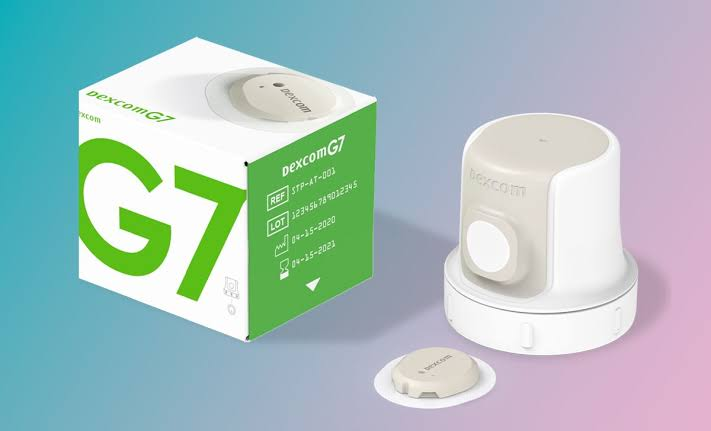
A Dexcom system typically includes a sensor (and for some generations, a transmitter) plus a compatible display—often a smartphone app and, in some setups, a receiver. Ongoing cost is driven mainly by regular sensor replacements, not a one-time device purchase.
Before you chase a “deal,” clarify with your clinician and pharmacy:
- Which Dexcom product is prescribed (for example G7 or another covered model)
- Whether you need a receiver or will use a phone only
- How many sensors your plan allows per month or quarter
- Whether supplies are billed under pharmacy benefit or durable medical equipment (DME)
The same product can cost very different amounts under commercial insurance, Medicare, Medicaid, or cash pay.
Main ways people reduce Dexcom costs in the US
- Health insurance (commercial, Medicare, Medicaid, marketplace plans): Many plans cover CGMs when medical criteria are met. Prior authorization is common. Your copay or coinsurance is plan-specific.
- Manufacturer savings / copay offers: Dexcom periodically runs savings programs for eligible commercially insured patients. These can lower monthly costs for a limited time; terms, caps, and exclusions apply (often not valid with government programs).
- Pharmacy price comparison: Retail and mail-order pharmacies sometimes quote different cash or insured prices. Checking more than one can matter if you are uninsured or in the deductible phase.
- Patient assistance / hardship programs: For qualifying uninsured or underinsured patients, assistance programs may reduce or cover cost. Income and documentation rules apply; acceptance is not automatic.
- HSA / FSA: If you have a Health Savings Account or Flexible Spending Account, eligible CGM expenses may be payable with those funds—confirm with your plan administrator.
“Super low price” headlines usually reflect a best-case copay with insurance plus a savings offer—not the cash list price everyone pays.
Insurance: the first place to look
Call the number on your insurance card and ask:
- Is this Dexcom product covered under pharmacy or DME?
- Is prior authorization required? What diagnosis or documentation is needed?
- What is my expected copay or coinsurance after deductible?
- Which pharmacies or suppliers are in network?
- Are there quantity limits per month?
Have your clinician’s office submit any required forms. A denial is sometimes appealable with more clinical detail; results vary.
A low advertised copay only applies if your plan covers the product and you meet the program rules. Always confirm your own benefits before ordering.
Manufacturer and pharmacy savings—what to verify
When you see a Dexcom savings offer or pharmacy discount:
- Who is eligible? Commercial insurance only? Not combined with Medicare/Medicaid?
- How long does it last? Monthly cap, annual maximum, expiration date?
- What is the true out-of-pocket? Copay after the offer, plus any sensor quantity limits.
- Where do you fill? Specific retail, specialty, or mail-order pharmacies may be required.
- Stacking rules: Some offers cannot be combined with other coupons.
Print or save the terms. If the price at the counter does not match what you expected, ask the pharmacist to re-run insurance and any savings card before you pay.
How to compare options without overpaying
Use the same product and quantity when you compare:
- Insured price at your in-network pharmacy
- Insured price at mail order (if available)
- Cash price (for reference if you are in deductible)
- Price with any official manufacturer savings offer you qualify for
- Whether a patient assistance application is worth submitting
If one quote is dramatically lower, check whether it assumes a different product, fewer sensors, or a promotion you do not qualify for.
Practical steps to try for a lower cost
- Confirm the exact prescription — Product name and replacement schedule with your clinician.
- Call your insurer — Coverage, prior auth, network pharmacy, expected out-of-pocket.
- Ask the clinic about savings programs — Many offices know which offers patients use most.
- Check official Dexcom savings / assistance pages — Read eligibility and exclusions carefully.
- Compare at least two pharmacies — In-network retail vs. mail order when both are allowed.
- Keep paperwork — Approval letters, EOBs, and offer terms for renewals and appeals.
Same-day pickup is sometimes possible at retail when prior authorization is already approved and stock is available. It is not guaranteed.
What to prioritize if budget is tight
- Insurance first: Covered benefit usually beats cash price.
- Official savings offers only: Prefer manufacturer or pharmacy programs with clear terms over unofficial “too good to be true” links.
- Total monthly cost: Sensors over a full month or quarter—not a single promotional fill.
- Eligibility honesty: Government plan members are often excluded from commercial copay cards; applying incorrectly wastes time.
- Clinical fit: The “cheapest” setup is only useful if it is the product your clinician prescribed and your plan allows.
FAQ
Can I get a Dexcom CGM at a very low price in the US?
Some insured patients pay a reduced copay when coverage and a savings offer both apply. Uninsured pricing and assistance programs vary. Low prices are not automatic for everyone.
Do manufacturer coupons work with Medicare or Medicaid?
Many commercial savings offers exclude federal or state programs. Check the fine print for your situation.
Is prior authorization always required?
Often yes for CGMs, but not universally. Your plan’s rules control.
Can I use an HSA or FSA?
Eligible medical expenses may be payable with HSA/FSA funds. Confirm with your account administrator and keep receipts.
What if I’m denied?
Ask your clinician about appeal options or alternative covered CGM products. Denial reasons and appeal paths differ by plan.
Where should I start today?
Call your insurer with the exact product name, then ask your clinic which savings or assistance routes they use most for patients like you.
Important information
This article is for general educational purposes only. It is not medical advice, billing advice, an offer of insurance, or a guarantee of coverage, eligibility, discount amount, or product availability. Dexcom product names, savings programs, pharmacy prices, and insurance rules change. Always verify current terms with your clinician, insurer, pharmacy, and official Dexcom program materials before you enroll or purchase.

